
Business
Dangote's $2.5 Billion Namibia Bet: The Race to Control Southern Africa's Energy Corridors
Aliko Dangote's proposed $2.5 billion investment in Namibia, centered on developing a major fuel storage and distribution hub at Walvis Bay.
By Business & Economics·
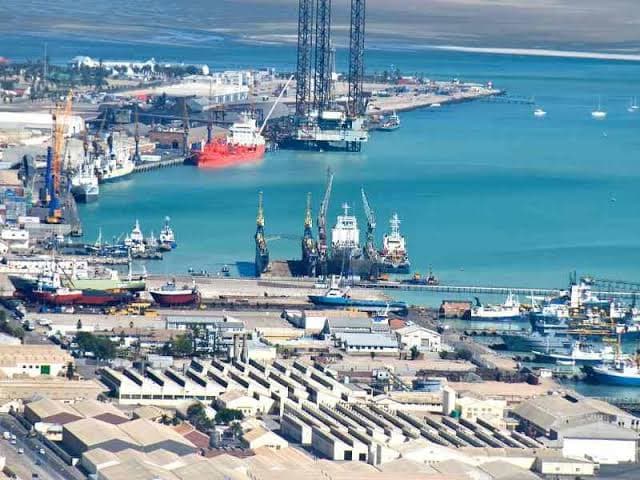
Africa's industrial transformation is increasingly being shaped by investments that go beyond factories and production facilities. The latest example is Aliko Dangote's proposed $2.5 billion investment in Namibia, centred on developing a major fuel storage and distribution hub at Walvis Bay.
The project, launched in November 2026, signals Dangote's growing ambition to expand his business interests beyond Nigeria and strengthen his presence in regional energy markets.
The proposed project includes a fuel storage terminal with a capacity of approximately 600 million liters and a regional pipeline network designed to connect Namibia with neighboring markets, including Botswana, Zambia and Zimbabwe.
The commercial opportunity lies in geography.
Walvis Bay provides access to the Atlantic Ocean and serves as an important trade gateway for several landlocked Southern African economies. Developing storage and pipeline infrastructure could reduce reliance on expensive road transportation while improving the efficiency of regional petroleum distribution.
For Dangote, this represents an opportunity to expand beyond refining and establish stronger control over the infrastructure connecting fuel production to consumers.
The investment reflects a broader shift in African business: major African conglomerates are increasingly looking beyond domestic markets to develop cross-border industrial and infrastructure networks.
For Kenya, the development is particularly interesting. As East Africa seeks to strengthen its own petroleum logistics and distribution infrastructure, Namibia's proposed energy hub illustrates the economic value of controlling strategic storage facilities and regional transport corridors.
The competition among African economies is increasingly extending beyond attracting manufacturers and foreign investors. It is also about building infrastructure that gives countries strategic importance in regional supply chains.
Dangote's Namibia investment is more than a fuel storage project. It is a strategic attempt to connect energy production, infrastructure and regional markets.
If successfully implemented, Walvis Bay could emerge as a major energy gateway for Southern Africa.
Africa's next phase of economic integration may be shaped not just by who produces the most, but by who builds and controls the infrastructure that moves goods across the continent.