From Washington to Nairobi: How US Politics Could Shape Africa's Borrowing Costs and Investment Flows
The 2026 US midterms could reshape the financial conditions facing African governments and investors, but the consequences will depend less on the political winner than on the resulting direction of US borrowing costs, the dollar and international capital flows.
By Financial Outlook·
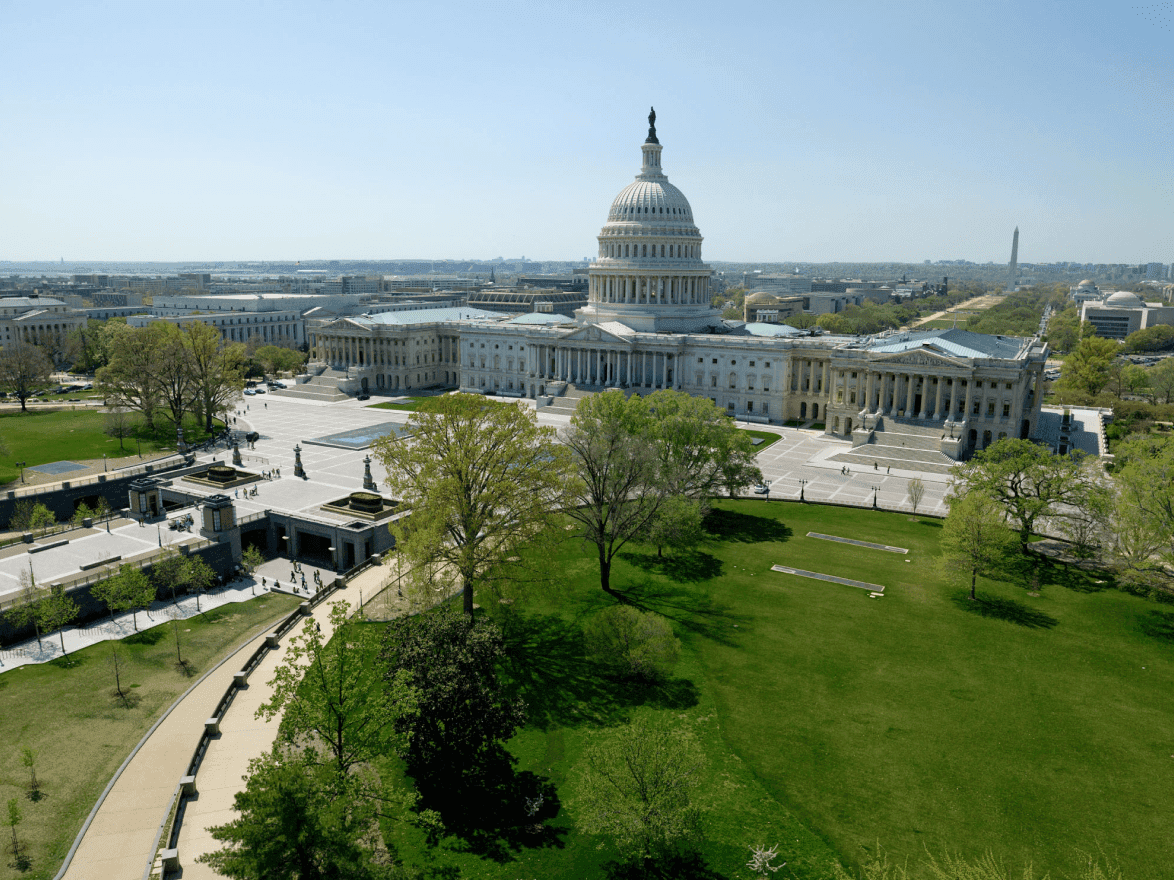
The United States heads into its November 3, 2026, midterm elections at a time when global investors are closely monitoring its economic direction. While the elections will determine the balance of power in Congress, their implications could extend far beyond Washington, particularly for African economies that depend on international capital, foreign investment and dollar-denominated financing.
For Africa, the critical question is not simply which political party wins control of Congress, but how the outcome could influence US fiscal policy, the dollar, global interest rates and international investor confidence.
These factors directly affect the cost of borrowing for African governments, the stability of domestic currencies and the attractiveness of African financial markets.
The dollar remains Africa's biggest exposure
One of the most important transmission channels between US politics and African markets is the US dollar.
Many African governments carry significant external debt denominated in dollars, while businesses rely on foreign currency to finance imports, equipment purchases and international operations.
A stronger dollar can increase the domestic-currency cost of servicing external debt, placing additional pressure on government budgets and foreign-exchange reserves.
Conversely, a sustained weakening of the dollar could provide some relief to African economies and potentially encourage international investors to explore higher-return opportunities in emerging and frontier markets.
For countries such as Kenya, Nigeria, Ghana and Egypt, movements in the dollar therefore remain particularly important.
However, the direction of the dollar will depend on broader economic developments, including inflation, Federal Reserve policy and investor expectations about US government borrowing.
US Treasury yields and Africa's borrowing costs
Perhaps the most significant concern for African governments is the direction of US Treasury yields.
US government bonds provide a global benchmark against which many international borrowing costs are assessed. When Treasury yields rise, investors may demand higher returns from African governments seeking financing in international markets.
This can make new bond issuances and debt refinancing more expensive.
For countries facing substantial debt repayments, higher international borrowing costs could further complicate fiscal management.
A decline in Treasury yields, on the other hand, could create a more favorable financing environment, particularly for countries with improving creditworthiness and credible economic reform program's.
However, lower US yields alone will not guarantee cheaper African borrowing. Investors will continue assessing individual countries' debt sustainability, political stability and foreign-exchange positions.
Will foreign investment flow back into Africa?
The election outcome could also influence global investor appetite for emerging and frontier markets.
When uncertainty or attractive returns in the United States encourage investors to concentrate their portfolios in dollar assets, African markets can experience reduced foreign participation.
But if international financial conditions become more favorable and investors seek diversification, selected African markets could benefit.
South Africa, with its relatively developed financial markets, could attract increased portfolio interest. Kenya could benefit from improved access to international financing, while Nigeria and Ghana could see opportunities if currency and fiscal conditions remain supportive.
Nevertheless, Africa is not a single investment destination. Countries with stronger macroeconomic fundamentals, credible fiscal policies and stable regulatory environments are better positioned to attract sustainable capital.
Trade policy adds another dimension
Beyond financial markets, the US midterms could influence the political environment surrounding American trade and investment relations with Africa.
The future of preferential trade arrangements, including the African Growth and Opportunity Act (AGOA), remains important for African exporters.
Changes in trade policy could affect industries dependent on access to the US market, with consequences for export earnings, employment and foreign-exchange generation.
For investors, uncertainty surrounding market access can influence decisions about manufacturing, agriculture, logistics and other export-oriented sectors.
The implications are particularly relevant for South Africa and other African economies seeking to strengthen their participation in global supply chains.
Africa must look beyond Washington
While the US midterm elections deserve attention, African governments should not treat external political developments as the primary determinant of their economic futures.
Domestic fiscal discipline, debt management, currency stability, institutional credibility and investment-friendly policies will remain central to attracting international capital.
The elections may create opportunities through changes in global financial conditions, but African economies must be prepared to take advantage of them.
For investors, the immediate indicators to watch include US Treasury yields, the dollar index, African sovereign bond spreads, exchange rates and foreign portfolio investment flows.
Ultimately, the 2026 US midterms are not just an American political event. They are another test of how closely Africa's financial future remains connected to global economic developments.
The countries best positioned to benefit will be those that combine favorable international conditions with credible domestic economic management.