
Mauritius Raises Key Interest Rate to 5% as Inflationary Pressures Spread Across Economy
The Monetary Policy Committee (MPC) unanimously voted to increase the Key Rate from 4.75% to 5%, arguing that acting early would be less damaging to households and businesses than allowing inflation expectations to become entrenched.
By Markets·
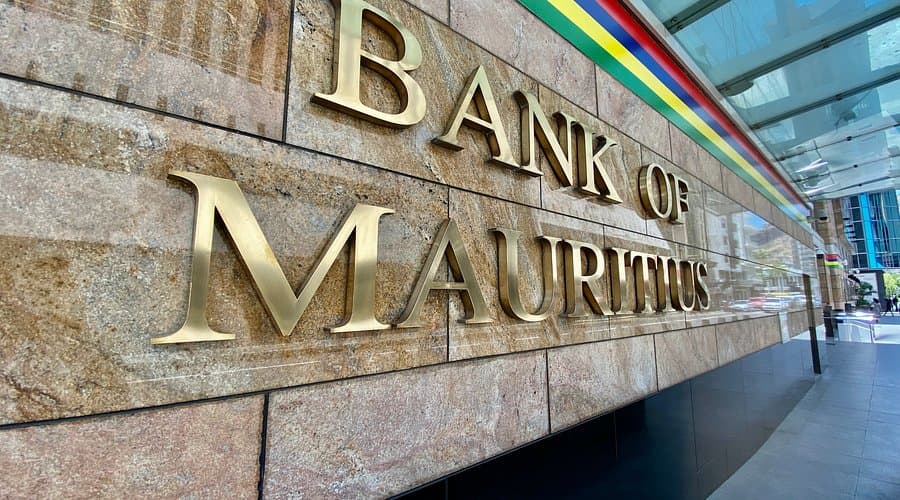
The Bank of Mauritius has raised its benchmark interest rate by 25 basis points to 5%, signalling a renewed commitment to fighting inflation as rising fuel, food and services costs threaten to push inflation beyond the central bank's target range.
The decision, announced on November 11, marks another tightening of monetary policy as the island nation's central bank becomes increasingly concerned that inflation is spreading beyond traditionally volatile categories such as food and energy.
The Monetary Policy Committee (MPC) unanimously voted to increase the Key Rate from 4.75% to 5%, arguing that acting early would be less damaging to households and businesses than allowing inflation expectations to become entrenched.
Year-on-year inflation accelerated to 6.4% in October 2026, up from 5.7% in September and 4.4% in July. This is significantly above the Bank of Mauritius' inflation target range of 2% to 5%.
Between January and October, the proportion of items in the consumer price basket recording annual price increases above 5% climbed from 33% to 47%. Meanwhile, the share of items recording falling prices declined from 23% to just 12%.
Food prices increased by 5.5%, while fuel prices rose by 17.5%. Higher transport, energy and imported commodity costs are also creating pressure across the economy.
The central bank now projects inflation at 4.7% by December 2026 and 5.5% by December 2027, potentially keeping inflation above its target ceiling next year.
Mauritius is not entering this tightening cycle from a position of exceptionally strong economic growth.
The central bank projects economic growth of 3% in 2026, improving slightly to 3.2% in 2027.
Tourism and financial services remain important growth drivers, while construction and manufacturing have shown weaker performance.
With inflation projected to reach 5.5% in 2027, the central bank faces the possibility that further intervention may be necessary if price pressures persist.
The immediate challenge is protecting household purchasing power. The longer-term challenge is achieving price stability without sacrificing economic growth.