
Senegal’s Budget Crisis Puts $2.2 Billion IMF Deal at Risk
Senegal’s President Bassirou Diomaye Faye has moved to implement changes to the 2026 budget by decree, bypassing parliament after lawmakers rejected the proposed revisions, deepening a political standoff that threatens a $2.2 billion IMF financing program.
By Economic Insights·
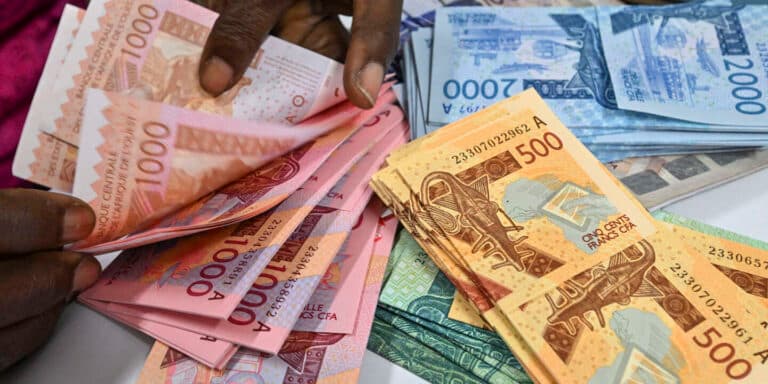
Senegal’s President Bassirou Diomaye Faye has moved to implement changes to the 2026 budget by decree, bypassing parliament after lawmakers rejected the proposed revisions, deepening a political standoff that threatens a $2.2 billion IMF financing program.
The dispute pits Faye against his former prime minister, Ousmane Sonko, whose Pastef party controls parliament and opposes the proposed budget changes.
Senegal’s financial troubles date back to 2024, when an audit uncovered previously undisclosed government debt estimated at approximately $13 billion, forcing the country to reassess its public finances and debt sustainability.
In September, Senegal reached a staff-level agreement with the IMF for a three-year, $2.2 billion support package. However, the program still requires Executive Board approval before funds can be released.
The government is also pursuing debt restructuring under the G20 Common Framework, as pressure mounts to restore fiscal credibility.
The budget impasse raises uncertainty over IMF funding, debt restructuring and Senegal’s ability to stabilize public finances. While international bonds were little changed following Faye’s announcement, prolonged political disagreements could complicate investor confidence and the country's access to external financing.
Senegal’s next challenge is to reconcile its political divisions with the fiscal commitments required to unlock international support.