
Zimbabwe Changes Lithium Export Tax Rules, Introduces 15% Local Sourcing Requirement
Zimbabwe is tightening its grip on lithium revenues, changing how export taxes are calculated while requiring large businesses and mining companies to purchase at least 15% of their inputs from local manufacturers.
By Commodities·
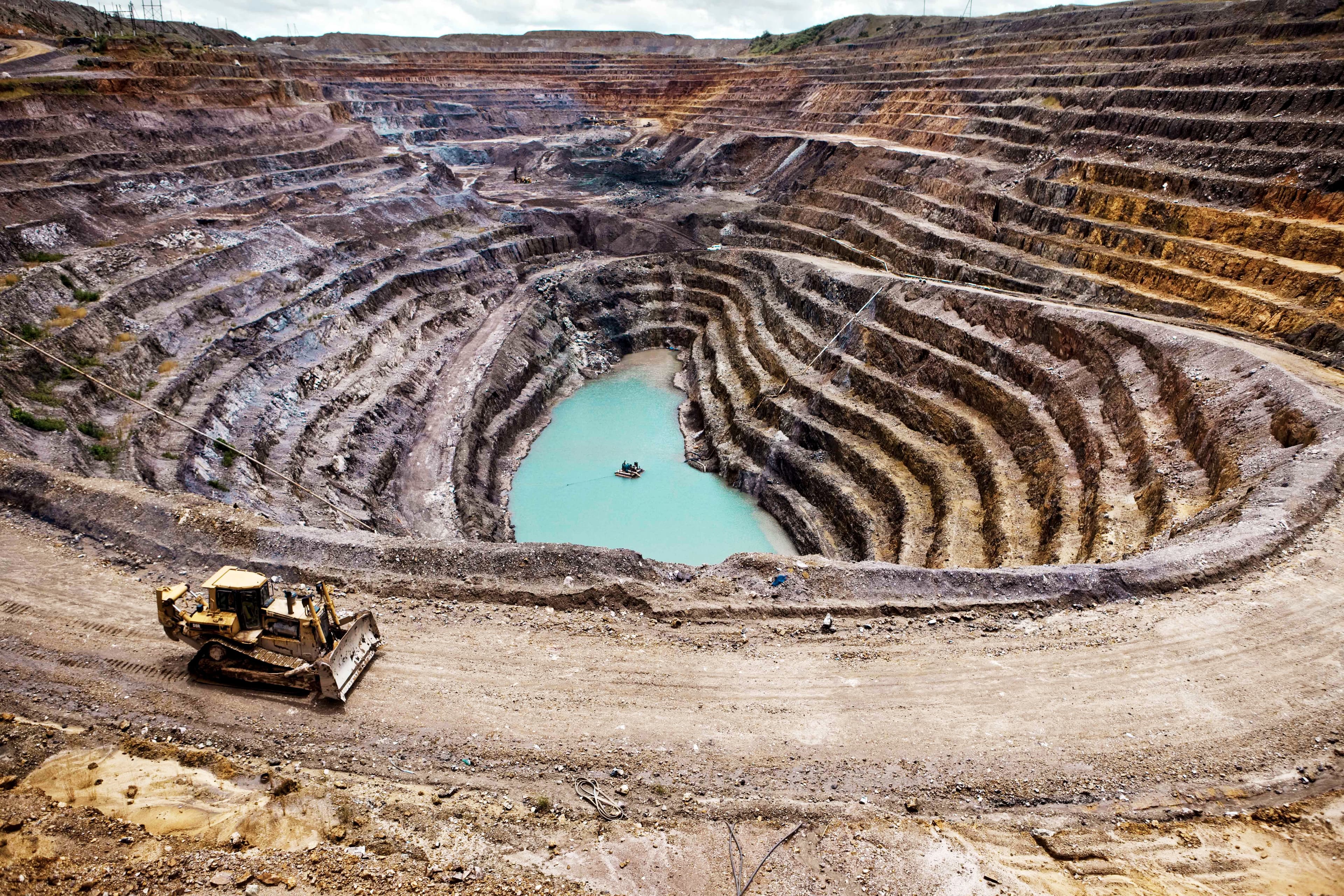
Zimbabwe is tightening its grip on lithium revenues, changing how export taxes are calculated while requiring large businesses and mining companies to purchase at least 15% of their inputs from local manufacturers.
Finance Minister Mthuli Ncube announced that lithium concentrate exports will be taxed based on the potential value of lithium sulphate that can be produced from the material, rather than the concentrate's selling price.
Under the new formula, five tonnes of benchmark-grade 6% lithium concentrate will be treated as equivalent to one tonne of lithium sulphate for tax purposes.
The adjustment is intended to ensure Zimbabwe captures more value from its lithium resources and reduces potential revenue losses from exporting partially processed minerals.
The country will, however, maintain a zero export tax on lithium sulphate, encouraging further domestic processing.
Lithium concentrate output is projected to increase from 2.2 million tonnes in 2026 to 2.3 million tonnes in 2027, while lithium sulphate production is forecast to reach 208,000 tonnes next year as new processing facilities come online.
The government has also introduced a requirement for mining companies, government entities and other large businesses to source at least 15% of their inputs from domestic manufacturers, a measure aimed at strengthening local industries and retaining more mining-related expenditure within the economy.
Meanwhile, the government disclosed that it paid $229.7 million in cash and tax credits to platinum miners between January and September against outstanding export proceeds claims.
The outstanding question is whether Zimbabwe's planned January 2027 ban on lithium concentrate exports will proceed as scheduled or be postponed to July 2027, as requested by producers.