
Private Capital, Public Risk: Is Kenya's PPP Model the Answer to Its Infrastructure Financing Challenge?
At the opening of the 16th Africa PPP Infrastructure Finance Summit in Nairobi, the government disclosed that Kenya had a pipeline of 60 PPP projects as of 30 September 2026.
By Economic Insights·
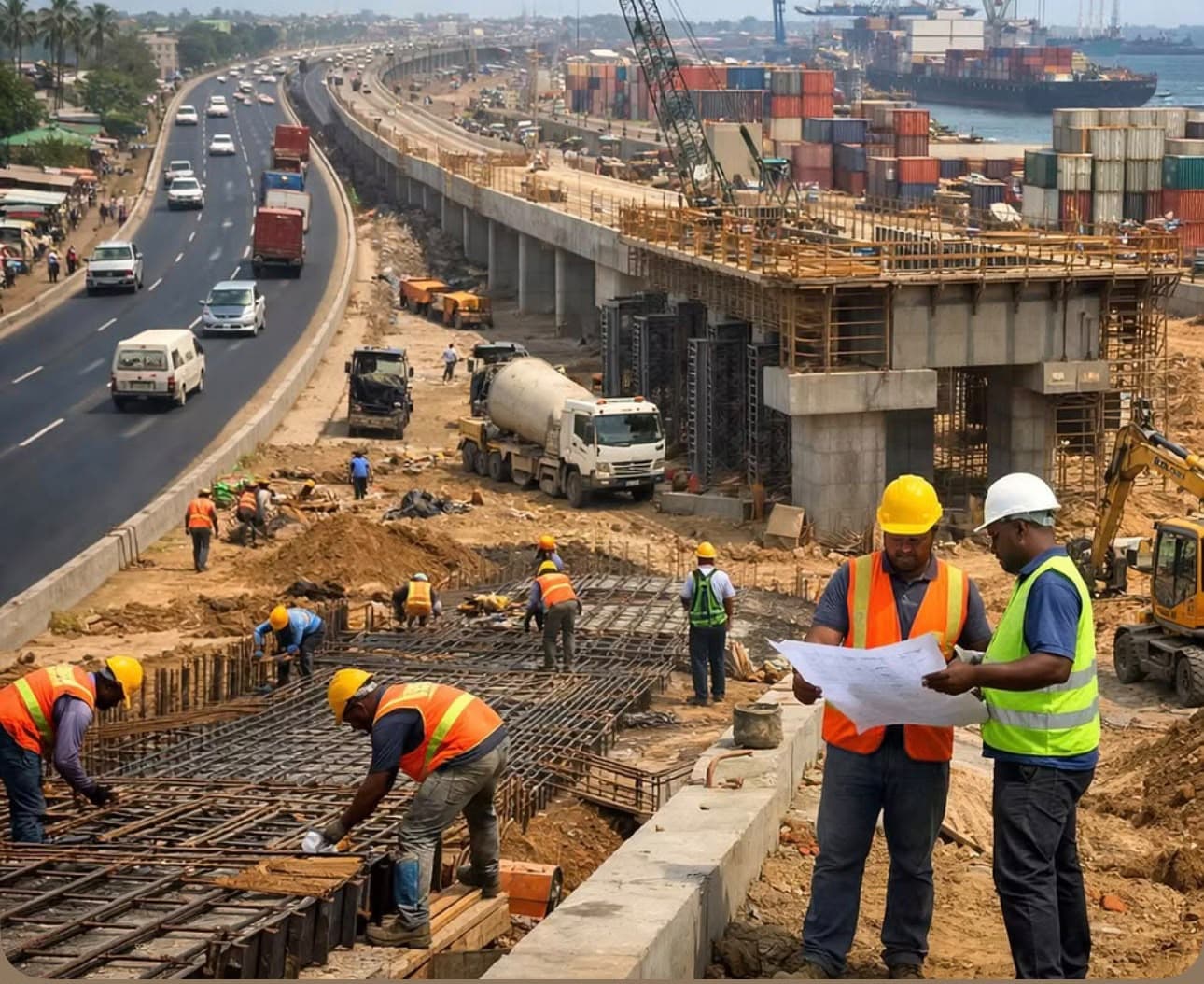
Kenya is increasingly turning to Public-Private Partnerships (PPPs) to finance infrastructure, as the government seeks alternatives to conventional public borrowing. The strategy could help accelerate investment in roads, energy, water and transport. However, it also raises an important question: is Kenya reducing its debt burden, or simply changing the way it accumulates financial obligations?
At the opening of the 16th Africa PPP Infrastructure Finance Summit in Nairobi on 12 November, the government disclosed that Kenya had a pipeline of 60 PPP projects as of 30 September 2026.
Of these, 54 are national government projects and six are county government projects. Ten projects, valued at approximately KSh353 billion, are under implementation, while the remaining 50 are at various stages of preparation and development
Under a conventional government-funded infrastructure model, the state raises money through taxation, domestic borrowing or external loans, then finances construction.
A PPP changes this arrangement. A private investor may finance, construct, operate or maintain an infrastructure asset under a long-term contractual agreement. In return, the investor receives revenue through user charges, government payments or another agreed commercial arrangement.
For Kenya, this is particularly attractive because it offers an opportunity to mobilize investment without immediately placing the entire construction cost on the national budget.
The government's February 2026 Budget Policy Statement reported that PPPs had mobilized KSh145 billion in private capital by the end of FY2024/25. It also identified ten projects under implementation at that reporting point.
However, PPPs are not free infrastructure.
The government may avoid an immediate borrowing requirement, but it can assume long-term financial obligations through guarantees, revenue commitments, compensation clauses and termination payments. These projects have different commercial and financial structures, but they illustrate why PPP contracts require careful fiscal scrutiny.
The implication is important: a project that appears to reduce public borrowing today could generate substantial obligations for taxpayers over the next 20 or 30 years.
Kenya's PPP strategy will ultimately depend on three things.
First, whether projects generate sufficient economic returns to justify their financing costs. A highway should improve connectivity, reduce transport costs and stimulate economic activity, not simply generate toll revenue.
Second, whether risks are allocated appropriately. Private investors should bear risks they can manage, while government guarantees should be limited to clearly justified circumstances.
Third, whether the public can access the contracts, financing arrangements and government commitments. Transparency is essential, particularly when public assets and future revenues are involved.
Kenya does not simply need more infrastructure financing. It needs infrastructure financing that delivers measurable economic returns without transferring excessive financial risks to future taxpayers.