Morocco’s Trade Deficit Widens 25.4% as Imports Outpace Export Growth
Morocco’s merchandise trade deficit widened to MAD323.94 billion in the first nine months of 2026, a 25.4% increase compared with the same period last year.
By Editor·
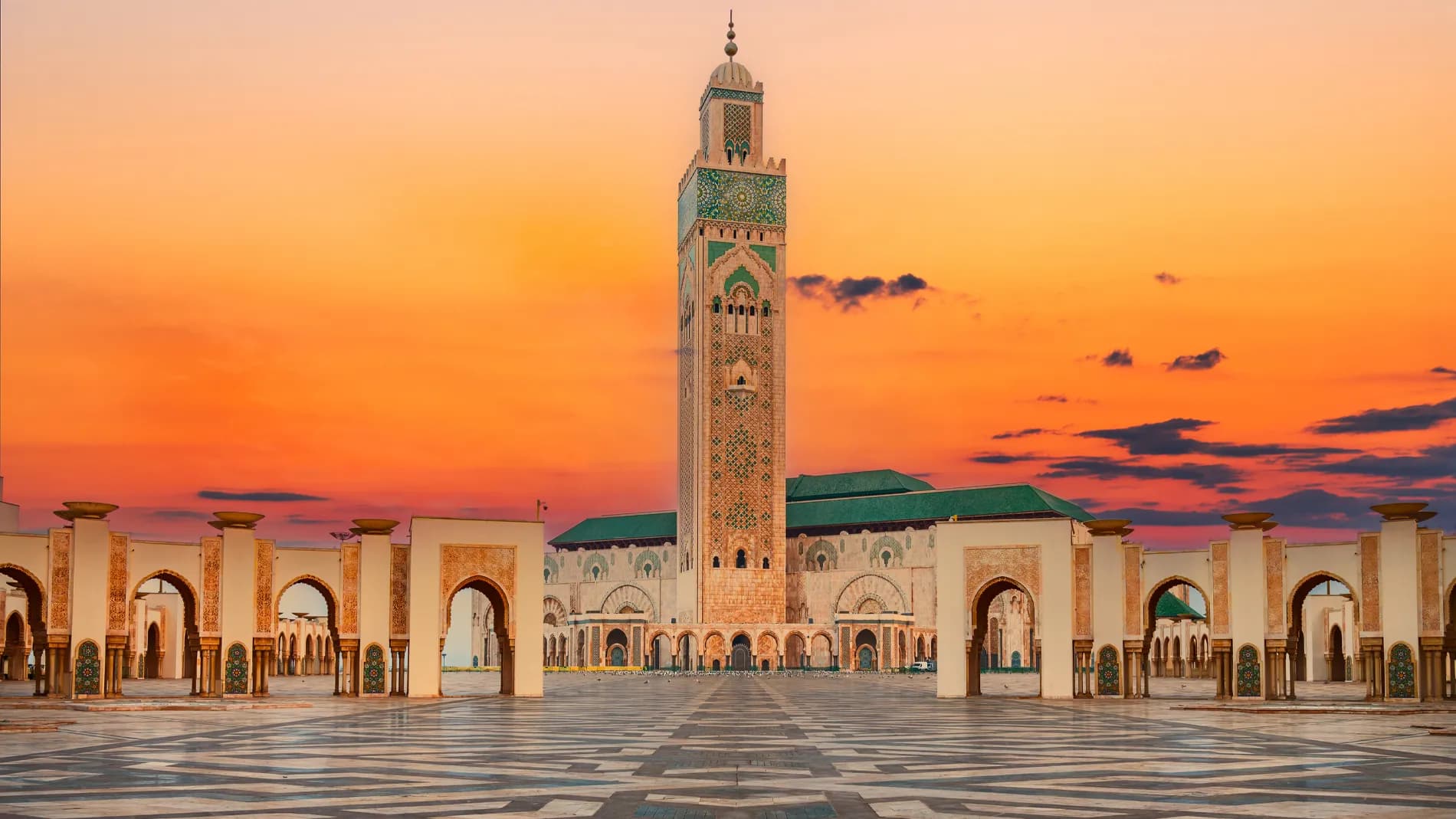
Morocco’s industrial ambitions are driving export growth, but a rapidly rising import bill is putting pressure on the country’s trade balance.
Morocco’s merchandise trade deficit widened to MAD323.94 billion in the first nine months of 2026, a 25.4% increase compared with the same period last year. The widening gap highlights a growing imbalance between what the North African economy buys from international markets and what it sells abroad.
According to the country’s Office des Changes, imports reached MAD707.99 billion by the end of September, rising 17% year-on-year. Exports grew by a slower 10.7% to MAD384.05 billion.
The difference in growth rates has pushed the export coverage ratio—the share of imports financed by merchandise exports—down to 54.2%, from 57.3% a year earlier. A closer look at the import bill reveals that Morocco’s trade challenge is not simply about rising consumer demand.
Imports of finished capital goods increased by 22% to MAD173.38 billion, reflecting substantial purchases of machinery and equipment. Raw material imports surged by 60.9% to MAD52.06 billion, while energy imports rose by 37% to MAD111.59 billion.
Some of these purchases are associated with industrial investment and production. Morocco’s ambition to strengthen its automotive, aerospace and manufacturing industries requires imported machinery, components and intermediate inputs.
This creates an important distinction: imports that support productive investment can contribute to future export capacity, while imports that mainly satisfy consumption create a different economic outcome.
The challenge is ensuring that today's investment translates into stronger domestic production and export earnings tomorrow.
Morocco's export industries continue to show considerable momentum.
Automotive exports rose by 14.3% to MAD132.11 billion, while aerospace exports increased by 22.3% to MAD26.21 billion. Agriculture and agro-food exports grew by 10.7% to MAD72.43 billion.
However, the performance is uneven. Phosphates and derivatives recorded almost no growth, increasing by just 0.2% to MAD74.65 billion. Textile and leather exports declined by 5%.
The figures suggest that Morocco's industrial transformation is producing results, but its export base still faces limitations in scale, diversification and domestic value addition.
A merchandise trade deficit is not automatically a sign of economic weakness. Countries investing heavily in infrastructure and industrial capacity often import more machinery, technology and production inputs before the resulting investments generate additional exports.
Morocco also has an important buffer in its services sector. Its services trade surplus increased by 14.8% to MAD135.8 billion, helping offset part of the merchandise trade gap.
Nevertheless, a persistent rise in imports faster than exports can increase demand for foreign currency and place pressure on the country's external accounts, particularly when energy prices remain elevated.
If imported machinery and industrial inputs lead to greater domestic production, stronger local supply chains and higher-value exports, the current deficit could partly represent the cost of building future competitiveness.
But if the economy remains heavily dependent on imported energy, components and industrial inputs without sufficiently expanding its export earnings, the imbalance could become a longer-term vulnerability.
Morocco's industrial strategy is therefore facing a critical test: turning investment-led import growth into sustainable export growth.